
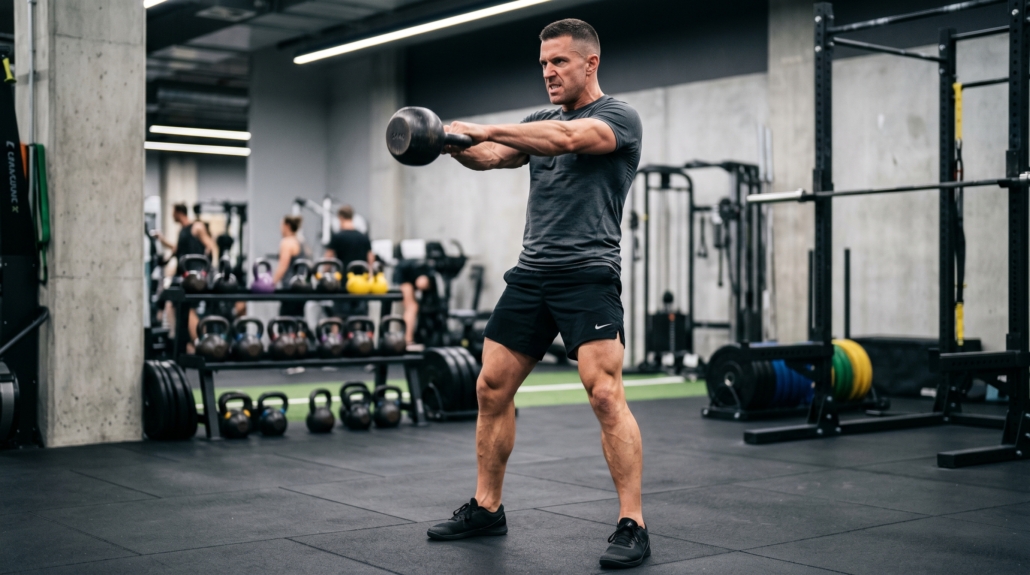
Functional Training: Canada’s #1 Fitness Trend & How to Build Your Program
You’ve probably noticed more Canadians ditching the chrome machines and training with kettlebells, cables, and their own bodyweight instead. That shift isn’t random — functional training has quietly become the country’s dominant fitness trend, and the evidence explains why it’s sticking around.
What Makes Functional Training Different From Traditional Gym Work
Functional training prioritises movements that mirror how your body actually works in daily life. Instead of isolating muscles on machines, you’re training patterns: pushing, pulling, hinging, squatting, carrying, and rotating. These compound movements recruit multiple muscle groups simultaneously, which is exactly how your body operates when you’re shovelling snow, carrying groceries, or playing with your kids.
The distinction matters more as you age. Traditional bodybuilding-style training can build impressive muscles that don’t necessarily translate to real-world capability. You might be able to leg press 300 pounds but struggle to get off the floor smoothly. Functional training closes that gap by building strength in positions and patterns you actually use.
For Canadian adults between 35 and 60, this approach addresses a critical need: maintaining independence and capability while reducing injury risk. Research consistently shows that functional movement patterns improve balance, coordination, and joint stability — all factors that become increasingly important with each passing decade.
Why Functional Training Has Exploded Across Canada
Canada’s fitness landscape has shifted dramatically over the past five years. Boutique functional fitness studios have multiplied in cities from Vancouver to Halifax, and even traditional gyms have added dedicated functional training areas with sleds, ropes, and suspension trainers. The trend reflects a broader cultural move away from aesthetic-only goals toward performance and longevity.
Part of the appeal is practicality. Functional training doesn’t require expensive equipment or gym memberships. A kettlebell, a pull-up bar, and some floor space can deliver a complete program. For Canadians dealing with long winters and limited gym access, home-based functional workouts offer a sustainable solution that machine-dependent routines can’t match.
The injury reduction angle resonates particularly strongly with the 35-60 demographic. Many adults in this age range have accumulated wear and tear from years of poor movement patterns, sedentary work, or previous athletic injuries. Functional training’s emphasis on movement quality over maximum load helps rebuild resilience rather than just adding muscle on top of dysfunction.
How to Build Your Functional Training Program
A well-designed functional training program doesn’t need to be complicated. Start with the fundamental movement patterns and build from there:
- Squat pattern: Goblet squats, split squats, or bodyweight squats with proper depth and control
- Hinge pattern: Kettlebell deadlifts, Romanian deadlifts, or hip hinges with resistance bands
- Push pattern: Push-ups (modified if needed), dumbbell presses, or landmine presses
- Pull pattern: Rows, pull-ups or lat pulldowns, and face pulls for shoulder health
- Carry pattern: Farmer’s walks, suitcase carries, or overhead carries
- Core/rotation: Pallof presses, chops, and anti-rotation holds
Aim to hit each pattern at least once per week, with 2-4 sessions total depending on your schedule and recovery capacity. Quality matters far more than volume — a focused 30-minute session beats a sloppy hour every time. Progress by adding load gradually, increasing range of motion, or introducing instability (single-leg variations, for example).
The key is consistency over intensity. Adults who try to do too much too soon typically burn out or get hurt within weeks. Start conservatively, master the movements, and build from a solid foundation.
The Bottom Line
Functional training has earned its status as Canada’s leading fitness trend because it delivers what matters most to adults: strength that transfers to real life, reduced injury risk, and sustainable progress that doesn’t require living at the gym. The approach works whether you’re training at home with minimal equipment or in a fully-equipped facility.
The best program is one you’ll actually follow. Start with the fundamental patterns, focus on movement quality, and build progressively. Your body will thank you — not just in the mirror, but in how you move through daily life.
If you want a proven structure that takes the guesswork out of programming, the Self-Directed Workout Programs give you exactly that — periodised training built around functional movement patterns, designed for adults who want results without needing a trainer watching every rep.
Interested In Being A Client?
Click Here to fill out a new client application form.

