
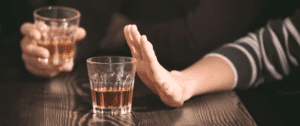
Can You Drink and Still Lose Fat? The Truth About Alcohol and Weight Loss
Nov 24/2025, by Michael Fouts
Read time: 6-8 minutes
This is one of the most common questions we get:
“Do I have to give up alcohol to lose fat?”
The short answer is no, but there are important caveats. Alcohol doesn’t magically prevent fat loss, yet it influences calorie intake, recovery, decision-making, and metabolism in ways that can quietly stall progress.
If fat loss feels harder than it should, alcohol is often part of the picture, even when intake seems “reasonable.” Let’s break down what actually happens when alcohol enters the equation and how to approach it realistically.
Alcohol Doesn’t Stop Fat Loss, Calories Do
Alcohol itself does not directly cause fat gain. Fat loss still comes down to total calorie balance over time. If you are in a calorie deficit, fat loss can occur even if alcohol is included.
The issue is that alcohol is calorie dense and easy to overconsume.
- Alcohol provides 7 calories per gram, almost as much as fat
- Drinks add calories quickly with little satiety
- Portions are often underestimated
Example: One client was “only” having a couple of drinks on weekends. Once we tracked it properly, those drinks plus late-night snacks were adding 600–800 calories per night, more than enough to erase the weekly calorie deficit.
This is why alcohol often slows or stalls fat loss without people realizing why.
How Alcohol Affects Fat Loss Behind the Scenes
Even when calories are accounted for, alcohol influences fat loss in less obvious ways.
1. Alcohol temporarily shifts metabolism
When you drink, your body prioritizes metabolizing alcohol because it cannot store it. During this time, fat oxidation is reduced. This doesn’t mean fat gain is guaranteed, but it does mean fat burning is paused while alcohol is processed.
2. Appetite regulation takes a hit
Alcohol lowers inhibitions and increases appetite. Foods that would normally feel optional suddenly seem irresistible.
Example: Someone who eats balanced meals all week finds themselves ordering pizza at midnight after a few drinks, not because of hunger, but because alcohol weakens appetite control.
3. Recovery and training quality suffer
Poor sleep, dehydration, and reduced muscle protein synthesis all follow alcohol intake. Over time, this can affect training consistency, strength progression, and recovery, all important for fat loss.
The “Liquid Calories” Problem
One of alcohol’s biggest challenges is that it adds calories without fullness.
Compare:
- 150 calories from chicken or potatoes adds satiety
- 150 calories from wine or beer adds almost none
Liquid calories don’t trigger the same fullness signals as solid food, making it easier to exceed daily intake without noticing.
This is why people often say, “I eat well all week but still can’t lose fat.” The answer is frequently found in what’s being sipped, not what’s on the plate.
Can You Drink and Still Lose Fat? Yes, With Structure
Fat loss doesn’t require perfection, but it does require awareness. Drinking can fit into a fat-loss plan if it’s intentional rather than automatic.
What tends to work best:
- Limiting alcohol to specific days or occasions
- Keeping intake to one or two drinks rather than open-ended
- Choosing lower-calorie options (spirits with soda water, dry wine)
- Eating protein-rich meals before drinking
- Staying hydrated between drinks
Example: One client shifted from frequent casual drinks to two planned social nights per week. Fat loss resumed without feeling restricted because alcohol was now part of the plan rather than working against it.
When Alcohol Becomes a Bigger Barrier
Alcohol is more likely to interfere with fat loss when:
- Intake is frequent rather than occasional
- Drinks lead to consistent overeating
- Sleep quality is regularly poor
- Training sessions are skipped or underperformed
- Calories are not tracked or accounted for
In these cases, progress often improves quickly when alcohol intake is reduced, not because alcohol is “bad,” but because it removes friction from the process.
A Better Question to Ask
Instead of asking, “Can I drink and still lose fat?” a more useful question is:
“Is alcohol helping or hurting my consistency?”
If drinking fits your lifestyle, social life, and goals without derailing habits, it can be included. If it repeatedly leads to overeating, poor sleep, and skipped workouts, it may be the lever worth adjusting.
Fat loss isn’t about eliminating everything you enjoy. It’s about understanding the trade-offs and choosing what matters most in the current phase.
Related Posts:
 https://overhaulfitness.ca/wp-content/uploads/2026/02/Blog-Featured-Photo-495x400-10.png
400
495
Michael Fouts
https://overhaulfitness.ca/wp-content/uploads/2022/09/Screen-Shot-2022-09-01-at-9.56.35-AM.png
Michael Fouts2026-02-13 09:08:532026-02-13 09:08:53Hit a Fat-Loss Plateau? Here’s Exactly How to Break Through It
https://overhaulfitness.ca/wp-content/uploads/2026/02/Blog-Featured-Photo-495x400-10.png
400
495
Michael Fouts
https://overhaulfitness.ca/wp-content/uploads/2022/09/Screen-Shot-2022-09-01-at-9.56.35-AM.png
Michael Fouts2026-02-13 09:08:532026-02-13 09:08:53Hit a Fat-Loss Plateau? Here’s Exactly How to Break Through It https://overhaulfitness.ca/wp-content/uploads/2026/01/Blog-Featured-Photo-495x400-16.png
400
495
Michael Fouts
https://overhaulfitness.ca/wp-content/uploads/2022/09/Screen-Shot-2022-09-01-at-9.56.35-AM.png
Michael Fouts2026-01-14 19:14:582026-01-14 19:14:58Alcohol and Weight Loss: Can You Drink and Still Lose Fat?
https://overhaulfitness.ca/wp-content/uploads/2026/01/Blog-Featured-Photo-495x400-16.png
400
495
Michael Fouts
https://overhaulfitness.ca/wp-content/uploads/2022/09/Screen-Shot-2022-09-01-at-9.56.35-AM.png
Michael Fouts2026-01-14 19:14:582026-01-14 19:14:58Alcohol and Weight Loss: Can You Drink and Still Lose Fat? https://overhaulfitness.ca/wp-content/uploads/2026/01/1440-530-website-banner-on-page-image.png
530
1440
Michael Fouts
https://overhaulfitness.ca/wp-content/uploads/2022/09/Screen-Shot-2022-09-01-at-9.56.35-AM.png
Michael Fouts2026-01-08 13:46:192026-01-08 13:46:19How Walking and NEAT Drive Fat Loss More Than You Think
https://overhaulfitness.ca/wp-content/uploads/2026/01/1440-530-website-banner-on-page-image.png
530
1440
Michael Fouts
https://overhaulfitness.ca/wp-content/uploads/2022/09/Screen-Shot-2022-09-01-at-9.56.35-AM.png
Michael Fouts2026-01-08 13:46:192026-01-08 13:46:19How Walking and NEAT Drive Fat Loss More Than You Think
